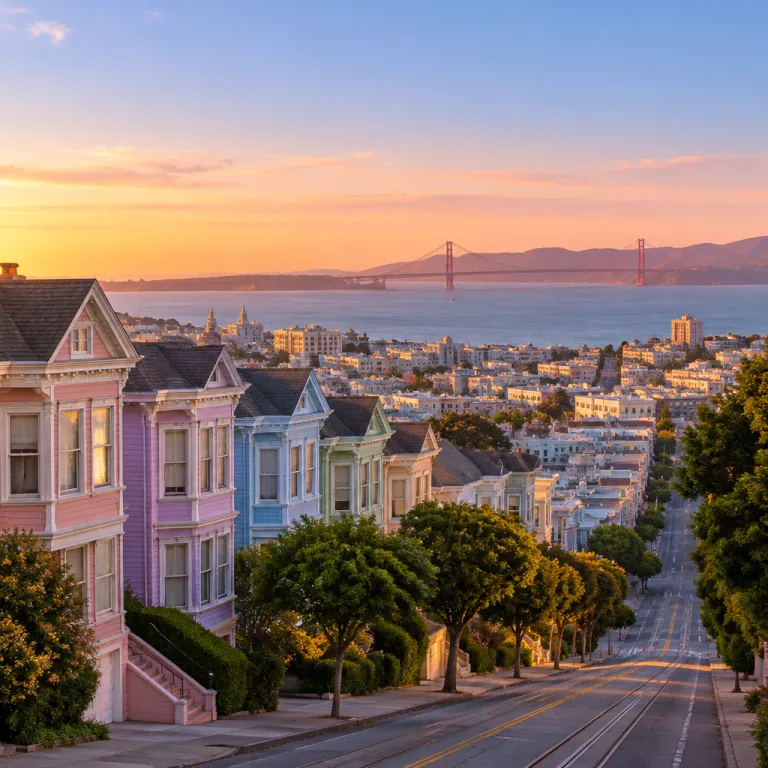
Where to stay in San Francisco for a first visit
Choosing where to stay in San Francisco shapes how you experience the city. For a first stay in San Francisco, the central streets around Union Square place you close to major sights, shopping, and the historic cable car lines. This area is often considered the best answer to the question of where to stay in San Francisco if you want easy movement, classic urban energy, and a straightforward base for sightseeing.
Union Square is the transport heart of the city, with BART trains, Muni lines, and the Powell Street cable car all converging near the main plaza. When you stay near Union Square, you can walk to the Theatre District, Chinatown Gate, and Market Street in minutes, which makes short trips and late arrivals far less stressful. Well-known hotels such as the Westin St. Francis, Grand Hyatt San Francisco, and Hotel Nikko sit around the square, offering on-site dining, fitness facilities, and a range of categories from budget-friendly chains to upscale properties, so you can match your budget without sacrificing convenience.
Travellers comparing areas to stay often weigh Union Square against the waterfront or quieter hills. If you want a good balance of price, safety, and nightlife, this district usually earns solid reviews across most platforms. Look for a central hotel with free Wi‑Fi, a modern gym, and quick access to a cable car stop, and you will have a strong base for exploring every other area of San Francisco, from the Embarcadero to the western neighbourhoods. A useful local tip is to request a higher-floor room facing inward if you are sensitive to street noise, as the central streets stay lively late into the evening.
Union Square and the Financial District for business and shopping
For business travellers asking where to stay during a packed schedule, Union Square and the nearby Financial District form one continuous, efficient core. The Financial District sits just northeast of the Union Square area, filled with office towers, transit links, and high-service hotels that understand corporate needs. Many properties here offer meeting rooms, business lounges, and fast check-in, which keeps a short stay focused on work rather than logistics and long commutes.
Union Square itself is ideal if you want to mix meetings with retail therapy and theatre. High-end stores, galleries, and the city’s main department stores cluster around the plaza, while the Financial District provides quick access to the Embarcadero waterfront and ferries. If you are timing a conference or client visit, consult a specialist resource such as this guide to the best time to visit San Francisco for weather, crowds, and hotels so that your chosen hotel and district match both your calendar and the city’s rhythm.
For travellers who prioritise efficiency, a well-rated hotel in the Financial District or just off Union Square usually scores highly for transport and services. You can walk from many hotels, including the Omni San Francisco or Le Méridien, to the California Street cable car in about 5 to 10 minutes, which climbs toward Nob Hill and offers sweeping city views in under 15 minutes. This central area is not the cheapest place to stay in San Francisco, but for business and shopping it remains one of the best located districts in the entire city. A small local quirk: many cafés here cater to office workers, so weekday mornings are busy while weekends feel surprisingly quiet.
Nob Hill and cable car views for classic San Francisco charm
Those who picture San Francisco as a city of steep streets and grand facades often fall in love with Nob Hill. Perched above Union Square, this hill area offers some of the best skyline and bay views, especially from higher-floor hotel rooms. The California Street cable car runs straight over Nob Hill, so you can glide between this quiet district and the Financial District or the waterfront without relying heavily on taxis or rideshares.
Nob Hill is ideal if you want a refined stay with a sense of history and calm. Many hotels here occupy landmark buildings, such as the Fairmont San Francisco and InterContinental Mark Hopkins, with lounges that look over the city lights and, on clear days, toward the Golden Gate and the distant bridge silhouette. When you compare places to stay across the city, Nob Hill often appeals to couples and solo travellers who value atmosphere and views over immediate nightlife or late-opening bars.
Because the hill is steep, you will appreciate a hotel that sits close to a cable car stop or offers a free shuttle down to Union Square. Properties in this district tend to be higher in price, but they usually earn strong ratings for service, comfort, and facilities such as a fitness center or spa. For help weighing Nob Hill against other areas to stay, consult a detailed neighbourhood overview like this San Francisco travel guide on how to choose the best area to stay, then match its advice with your own priorities and budget. A handy local tip is to pack comfortable shoes and allow extra time for walking uphill, especially if you plan to return to your hotel on foot after dinner.
Fisherman’s Wharf and the Marina District for waterfront stays
Travellers who want to wake up near the bay often ask where to stay in San Francisco for easy waterfront access. The answer usually lies around Fisherman’s Wharf and the neighbouring Marina District, two areas that frame the northern edge of the city. These districts place you close to the water, the Golden Gate views, and family-friendly attractions that define many first visits and classic postcard scenes.
Fisherman’s Wharf is a lively wharf area with piers, seafood restaurants, and ferries to Alcatraz Island. Families often choose a hotel near Fisherman’s Wharf because they can walk to Pier 39, watch the sea lions, and board bay cruises without long commutes. One of the verified expert notes states that “Fisherman’s Wharf provides family-friendly attractions and hotels”, and this matches what you will see on the ground when you compare hotels along the waterfront and read recent guest reviews. Popular options include the Argonaut Hotel, Hotel Zephyr, and Hyatt Centric Fisherman’s Wharf, many of which offer spacious rooms and easy access to the F‑line streetcar.
West of the wharf, the Marina District offers a different style of stay, with low-rise streets, cafés, and direct views toward the Golden Gate Bridge from nearby Crissy Field. This area is popular with runners and walkers, and many hotels and motels advertise free parking or a small fitness room to appeal to active guests and road-trippers. If you are choosing between these two places to stay, Fisherman’s Wharf suits families and first timers, while the Marina District works well for those who want a good mix of nightlife, bayfront walks, and quick access to the bridge and Presidio trails. A local quirk to note is that the Marina can be breezy and cool even on sunny days, so layers are essential for evening strolls along the water.
SoMa, North Beach, and the Mission District for culture and nightlife
Not every traveller asking where to stay in San Francisco wants a quiet hill or a corporate tower. South of Market, usually called SoMa, is the cultural and nightlife engine of the city, with museums, clubs, and modern hotels that appeal to younger visitors and conference guests. This district stretches from the Moscone Center toward the bay, making it a strong choice if you are attending events but still want bars and galleries within walking distance of your accommodation.
North Beach, the historic Italian quarter, offers another compelling answer to where to stay in San Francisco for evening atmosphere. Here you can book a small hotel near Columbus Avenue, dine in classic trattorias, and walk to Coit Tower for some of the best night views over the bay. The area sits between Fisherman’s Wharf and the Financial District, so you can move easily between business meetings, waterfront walks, and late cafés without long transit rides.
Further south, the Mission District is known for murals, Latino culture, and some of the city’s most creative restaurants. Accommodation options are more limited than in Union Square or Nob Hill, but a carefully chosen hotel or guesthouse here can offer strong reviews for character and local flavour. When you compare these three districts as places to stay, SoMa excels for nightlife and events, North Beach for walkable charm, and the Mission District for food lovers who want to stay close to the city’s most dynamic dining scene. A practical local tip is to check recent comments about street noise and nightlife hours, as these neighbourhoods can stay active well past midnight on weekends.
How to choose the best area to stay in San Francisco
Once you understand the main districts, the question of where to stay in San Francisco becomes a matter of matching neighbourhood character to your own style. Start by listing what matters most, whether it is free breakfast, a fitness center, proximity to a cable car, or a specific review score on trusted platforms. Then map those needs against Union Square, Nob Hill, Fisherman’s Wharf, the Marina District, SoMa, North Beach, and the Mission District, treating each as a different answer to where to stay in this complex and compact city.
For first-time visitors, one expert summary is clear: “Union Square offers central location and easy access to attractions.” If you want classic architecture and sweeping city views, Nob Hill and its hill area hotels may suit you better than the flat streets of SoMa. Families often lean toward Fisherman’s Wharf and the Marina District, where a hotel near the water and the Golden Gate views can turn a simple stay in San Francisco into a memorable holiday with minimal daily travel time.
Whichever district you choose, focus on verified information rather than marketing language such as the overused term boutique hotel, which can mean many different things. Look for clear descriptions of room size in square metres, transport links, and whether the hotel offers practical services like free Wi‑Fi, parking, or a well-equipped fitness center. By comparing these concrete details across several hotels in your preferred area, you will quickly identify the property that offers the best balance of comfort, location, and value for your own trip. As a final check, use an online map to estimate walking and transit times to the places you plan to visit most often.
Key figures to guide where to stay in San Francisco
- San Francisco has a compact land area of about 121 square kilometres, which means most central districts such as Union Square, Nob Hill, and the Financial District sit within a 3 to 4 kilometre radius, allowing travellers to change areas to stay easily during a single trip.
- The Golden Gate Bridge spans roughly 2.7 kilometres, and many hotels in the Marina District and near Crissy Field highlight partial or full bridge views, so checking room descriptions carefully can significantly improve the visual impact of your stay.
- Public transport coverage includes three historic cable car lines and an extensive Muni network, and staying within 500 to 800 metres of a major stop in Union Square, Fisherman’s Wharf, or SoMa can noticeably reduce daily travel times compared with more remote neighbourhoods.
- City tourism reports and hotel booking data show that Union Square and Fisherman’s Wharf consistently rank among the most booked places to stay for first-time visitors, while repeat guests often choose the Marina District, North Beach, or the Mission District for a more local feel.
FAQ about where to stay in San Francisco
Which neighborhood is best for first time visitors to San Francisco ?
For a first stay in San Francisco, Union Square is usually the best neighbourhood because it combines central location, dense public transport, and a wide range of hotels at different price points. You can walk or take a short cable car ride to many major sights, and the area stays lively into the evening. This makes it easier to adjust to the city and explore several districts in a short time.
Where should families stay in San Francisco ?
Families often prefer Fisherman’s Wharf or the Marina District when deciding where to stay in San Francisco. These waterfront areas offer easy access to Pier 39, bay cruises, and open spaces with Golden Gate views, which keep children engaged without long journeys. Many hotels in these districts provide family rooms, free breakfast, or parking, which can improve both comfort and budget.
Is Nob Hill a good area to stay without a car ?
Nob Hill works well even if you do not drive, provided you choose a hotel close to a cable car stop. The hill area connects directly to Union Square and the Financial District, so you can reach shops, offices, and restaurants without taxis. The steep streets can be demanding, but the city views and calm atmosphere often compensate for the extra walking.
Which neighborhood is best for nightlife in San Francisco ?
SoMa is widely regarded as the best district for nightlife, with clubs, bars, and late-opening venues near major hotels. North Beach also offers a lively evening scene with cafés and music, and it sits between the Financial District and Fisherman’s Wharf for daytime sightseeing. When you choose where to stay for nightlife, check local noise levels and recent reviews to balance energy with sleep quality.
How can I choose between Union Square and the waterfront areas ?
Union Square suits travellers who prioritise shopping, theatres, and fast access to multiple transport lines, while Fisherman’s Wharf and the Marina District are better if you want bayfront walks and Golden Gate views. If you have four or more nights, consider splitting your stay between a central hotel near Union Square and a second property near the water. This approach lets you experience both the urban core and the relaxed waterfront without long daily commutes.