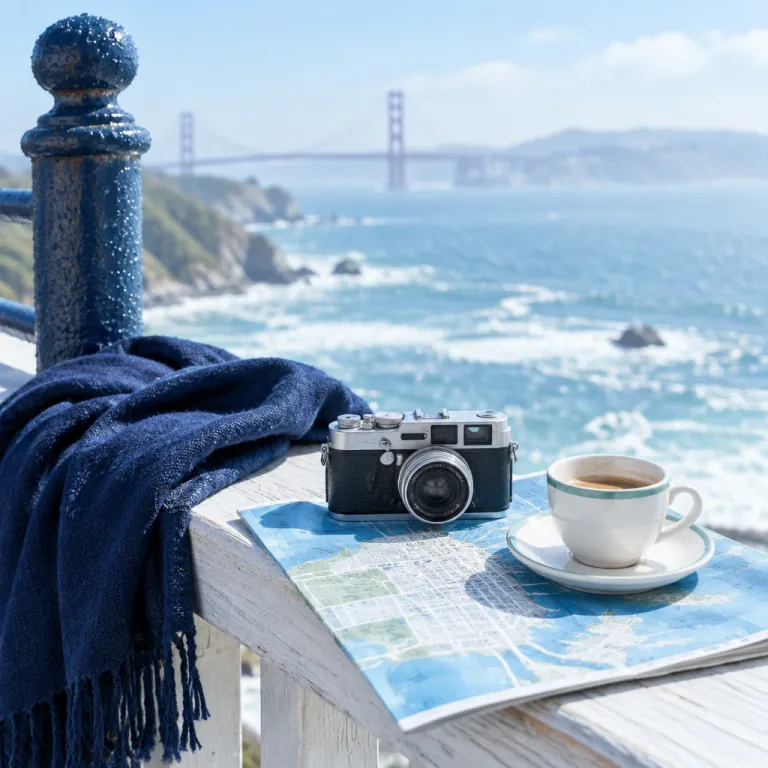
Framing the best photo spots in San Francisco from your hotel base
Choosing the right hotel in San Francisco shapes how easily you reach the city’s most photogenic locations. When you stay near a central cable car line or a major Muni corridor, the entire city opens up for photography with minimal transit time and less stress. Think of your room as a staging base where you charge every camera battery, clean each lens, and plan the next great shot.
Many visitors underestimate how compact yet steep the city is, which matters when you carry a camera bag, a tripod, and a wide lens for San Francisco photography. A hotel close to Market Street or Union Square keeps you within a short ride of the Ferry Building, the Embarcadero pier area, and the classic cable cars that define so much street photography here. From that central spot you can reach the Golden Gate area, the Mission District, and Haight Ashbury in under 30 minutes during a calm time of day, often less than 20 minutes by Muni or rideshare.
Waterfront hotels along the Embarcadero place you beside several of the best photography spots in San Francisco before breakfast. Step outside and you can shoot the Ferry Building façade, the Bay Bridge lights, and early morning street scenes without even boarding a cable car or bus. If you prefer quieter blue hour sessions, a room facing the bay gives you a direct view of the bridge and the city skyline as the light shifts every minute.
Waterfront stays for pier, bridge, and skyline photography
Staying near the bay puts you within walking distance of many of the best photo spots in San Francisco, especially if you love water reflections and long exposures. Hotels around the Embarcadero and Fisherman’s Wharf give you immediate access to each pier, the Ferry Building, and the distant line of the Golden Gate Bridge. This part of the city works beautifully for both quick handheld street photography and more deliberate tripod work at blue hour.
From an Embarcadero hotel you can walk less than 1 km to frame the Ferry Building clock tower at 1 Ferry Building with the Bay Bridge behind it, which is one of the classic San Francisco photography compositions. Use a wide lens to include the streetcar tracks, the palm trees, and the building itself, then switch to a longer lens for a tight shot of the bridge cables. Early in the day you will find softer light, fewer people on the street, and cleaner reflections on the water near each pier, especially around Pier 7 and Pier 14.
Guests who enjoy structured packing lists should review a dedicated guide on what to pack for a San Francisco hotel stay before planning waterfront photography sessions. Around Fisherman’s Wharf, you can shoot the historic ships at Hyde Street Pier, the city skyline from Pier 39, and the cable cars that climb nearby streets toward Russian Hill. At night, the area becomes one of the best photography spots in San Francisco for neon signs, busy street scenes, and long exposures of traffic flowing past each pier.
Golden Gate viewpoints and where to stay for easy access
For many travelers, the Golden Gate Bridge is the single most important subject among the best photo spots in San Francisco. If that is your priority, choose a hotel with fast access to the Presidio, Crissy Field, or the northern side of the Golden Gate Bridge in Marin Headlands. This strategy reduces travel time and lets you reach each spot at the exact time of day when light is at its best.
On the city side, accommodations near the Marina District or Cow Hollow place you close to Crissy Field, the Palace of Fine Arts building, and the waterfront paths that frame the golden towers of the bridge. From here you can walk or cycle to several photography spots in a single morning, capturing a wide shot of the bridge, a tighter shot of the city skyline, and intimate street photography scenes along Chestnut Street cafés. These neighborhoods also make it easy to arrange a refined excursion that pairs urban photography with wine country, especially if you follow a detailed plan for a hotel stay combined with premium shopping and day trips.
On the north side of the Golden Gate, viewpoints such as Battery Spencer (approximate GPS 37.8268, -122.4830) and the Marin Headlands offer some of the best photography in the region. Many visitors staying in central San Francisco still plan sunrise or blue hour sessions here, using ride shares or rental cars to cross the Golden Gate Bridge quickly. From Battery Spencer you can create a dramatic wide lens shot that includes the bridge, the city, and the bay, then switch angles for a more intimate camera view of the golden structure emerging from the fog.
Mission District and Haight Ashbury stays for street photography
Travelers who care most about street art, culture, and people-focused photography should consider hotels near the Mission District or Haight Ashbury. These neighborhoods sit slightly away from the waterfront, yet they offer some of the best photo spots in San Francisco for color, texture, and daily life. A stay here places you within a short walk of murals, independent shops, and classic San Francisco street scenes that reward patient observation.
In the Mission District, every street offers a new wall of street art, from Clarion Alley (between Mission and Valencia) to Balmy Alley, making it a natural base for San Francisco photography. Choose a hotel with easy access to BART or major bus lines so you can move between the Mission, downtown, and the Golden Gate area without losing precious time during the day. Early morning and late afternoon provide the best photography conditions, with softer light on each building façade and fewer harsh shadows on the street.
Haight Ashbury appeals to travelers who enjoy a mix of history, counterculture, and vivid storefronts that look great through any camera lens. From a nearby hotel you can walk to Golden Gate Park, shoot the colorful houses along each street, and capture cable cars a short ride away in the city center. This combination of neighborhood character and quick transit links makes Haight Ashbury one of the best photography spots in San Francisco for guests who want both energy and flexibility.
Coastal retreats near Baker Beach and Sutro Baths
Some visitors prefer to stay near the Pacific coast, where the rhythm of waves shapes both sleep and photography. Hotels in the Richmond or Sunset districts place you close to Baker Beach, Lands End, and Sutro Baths, which rank among the best photo spots in San Francisco for dramatic seascapes. From these areas you can shoot the Golden Gate Bridge from unusual angles, often with fewer crowds than at the main city viewpoints.
Baker Beach offers a sweeping view of the golden towers of the Golden Gate Bridge rising above the water, especially striking during blue hour when the city lights begin to glow. A wide lens lets you include the shoreline, the surf, and the bridge in a single shot, while a longer lens isolates the structure against the sky. Staying nearby means you can time your photography to low tide or specific time-of-day windows without long cross-city commutes.
At Sutro Baths and Lands End, the ruins, cliffs, and ocean combine into one of the most atmospheric photography spots in the region. Hotels in the outer neighborhoods may feel quieter than downtown, yet they give you fast access to these coastal paths and to Golden Gate Park for more relaxed street photography. If you plan a longer stay, you can balance these rugged scenes with a refined excursion inland by following a detailed itinerary for a Napa Valley day trip from San Francisco, returning to the city with fresh energy for the next camera session.
Practical hotel tips for photographers in the city
When evaluating hotels for a photography-focused trip, look beyond the room décor and consider how each property supports your daily shoot schedule. Ask about early breakfast options or grab-and-go choices, because many of the best photo spots in San Francisco look their finest at sunrise. A hotel that offers secure storage for camera gear and easy late checkout can transform a good trip into a great one.
Check transit connections from the hotel to key photography spots such as the Ferry Building, the Golden Gate area, Baker Beach, and the Mission District. Proximity to a cable car line or major bus corridor reduces your reliance on cars and helps you reach each bridge, pier, and street quickly at the right time of day. If you plan to visit Battery Spencer or the Marin Headlands, confirm whether the hotel concierge can arrange early ride share pickups or rental cars.
Room layout also matters for serious San Francisco photography enthusiasts who travel with multiple lenses and tripods. Look for enough table space to clean each lens, charge every camera battery, and review the day’s shot selection on a laptop. A quiet, well-lit room becomes your private editing studio, helping you refine the best photography from each spot before you move on to the next part of the city.
Designing a photo friendly itinerary from your San Francisco hotel
Once you have chosen a hotel, structure your days around light, location, and energy. Start with sunrise or early morning at a waterfront spot such as the Ferry Building or Crissy Field, then return to the hotel for breakfast and a quick camera reset. Midday can focus on indoor or shaded photography spots, including street art in the Mission District or the colorful storefronts of Haight Ashbury.
Reserve late afternoon and blue hour for the Golden Gate Bridge, Baker Beach, or the skyline from Marin Headlands and Battery Spencer. These locations deliver some of the best photography in the region, especially when fog drifts through the Golden Gate Bridge and softens the city behind it. Use a wide lens for sweeping scenes, then switch to a longer lens for intimate details of each building, cable car, and pier.
Evenings near your hotel can focus on relaxed street photography, capturing cable cars on steep street corners, neon signs, and reflections on wet pavement after coastal mist. Rotate between different neighborhoods so that each time of day reveals a new side of San Francisco and its many photography spots. Over several nights you will build a varied portfolio of shots that reflect both the iconic bridge views and the quieter corners of the city that many visitors never shoot.
Key figures for planning photo focused stays in San Francisco
- San Francisco has more than 40 hills within its compact 121 km² area, which means short geographic distances between photography spots can still require extra transit time and careful hotel selection (data from the City and County of San Francisco Planning Department).
- The Golden Gate Bridge attracts over 10 million visitors annually, so photographers who stay within 5 km of the Presidio or Marin Headlands have a better chance of reaching viewpoints like Battery Spencer during less crowded hours (figures from the Golden Gate Bridge, Highway and Transportation District).
- Public transit in the city, including Muni buses, light rail, and cable cars, carries hundreds of thousands of riders each weekday, allowing hotel guests near major lines to reach most key photography locations without renting a car (statistics from the San Francisco Municipal Transportation Agency).
- Average summer temperatures in San Francisco often range between 13 °C and 21 °C, with frequent coastal fog, which creates soft light for photography but also makes layered clothing essential for hotel guests planning sunrise and blue hour shoots (climate data from the National Weather Service).
FAQ about hotels and the best photo spots in San Francisco
Which neighborhood is best for first time photography visitors
For a first stay focused on the best photo spots in San Francisco, Union Square or the Embarcadero area works well. These locations offer dense hotel options, strong transit links, and fast access to the Ferry Building, the waterfront piers, and cable cars. From here you can reach the Golden Gate Bridge, the Mission District, and Haight Ashbury within a short ride.
Do I need a car to reach Battery Spencer and Marin Headlands
You do not strictly need a car, but it helps. Many hotel guests use ride share services very early in the day to reach Battery Spencer and other Marin Headlands viewpoints for sunrise or blue hour. If you prefer more flexibility, consider renting a car for one or two days dedicated to Golden Gate and coastal photography spots.
How many nights should I book for a photography focused trip
A stay of at least four nights allows you to cover the main photography spots in San Francisco without rushing. This duration gives you time for multiple attempts at Golden Gate views, coastal locations such as Baker Beach and Sutro Baths, and neighborhood sessions in the Mission District and Haight Ashbury. Extra nights increase your chances of catching varied weather, including the fog that often makes San Francisco photography so distinctive.
What room features matter most for photographers
Photographers benefit from rooms with generous desk space, multiple power outlets, and reliable Wi Fi. These features support charging camera batteries, backing up files, and reviewing each shot after a long day in the city. Quiet rooms also help you rest between early morning and late night shoots at the best photo spots in San Francisco.
Is it safe to carry camera gear around the city
San Francisco is generally safe in busy areas, but you should still use common sense. Keep your camera bag zipped, avoid displaying multiple bodies and lenses on quiet streets, and ask your hotel about any areas to avoid at night. Many properties offer secure storage so you can leave extra gear behind when you head to crowded photography spots such as the Ferry Building or the cable car lines.