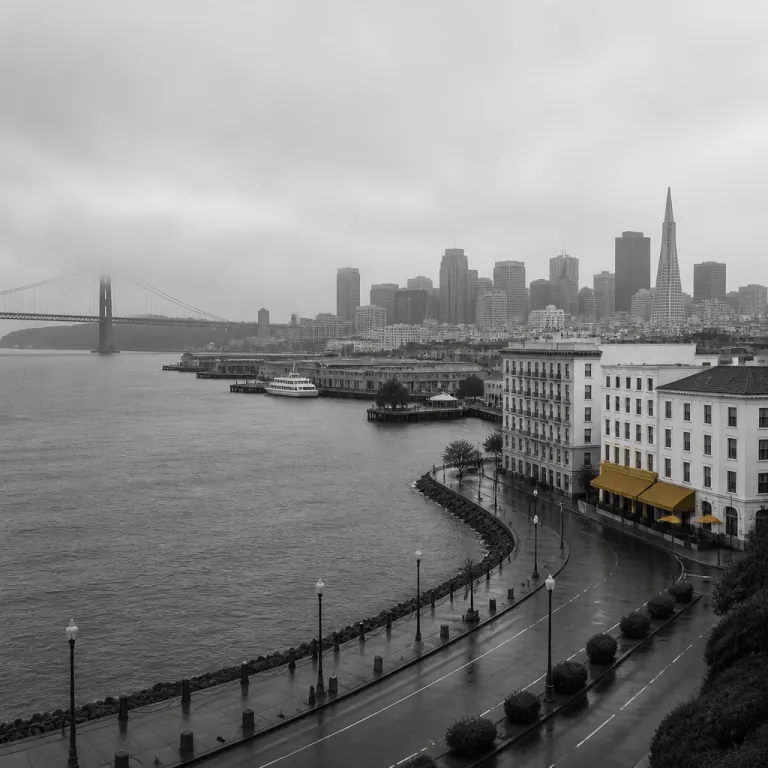
How San Francisco’s seasons shape your hotel stay
The best time to visit San Francisco depends on how you balance weather, crowds, and hotel prices. In this coastal California city, the seasonal pattern is famously inverted, so the warmest months arrive long after traditional summer has ended. Understanding this unusual San Francisco weather is the first step toward planning a refined trip that feels effortless rather than improvised.
Locals know that September and October often bring the best weather, with average highs around 21 °C and many clear days that feel tailor made for a relaxed city break. According to long term climate summaries from the National Weather Service and Tripbase data, this early fall window sees fewer rainy days than later in the wet season, yet you still avoid the dense peak season crowds that dominate June and July. For travelers choosing a hotel near Union Square or close to Golden Gate Park, this shoulder period often delivers the best balance between comfort, availability, and value.
San Francisco’s microclimates mean that the best time to visit San Francisco can even vary by neighborhood within a single day. You might leave a hotel in the Financial District under bright sun, then reach the Golden Gate Bridge overlook wrapped in fog and wind ten minutes later. Pack layers, plan your sightseeing with flexibility, and you will handle the shifting Bay Area conditions with the same calm as long time residents of the region.
Fall in San Francisco: the golden season for city breaks
For many seasoned travelers, early fall is simply the best time to visit San Francisco for a sophisticated urban escape. From September into November, the city enjoys warm afternoons, luminous light over the Bay Area, and a calmer rhythm that suits guests who value atmosphere as much as sightseeing. This is when a hotel stay near the waterfront or Union Square feels especially rewarding, because you can walk almost everywhere in comfortable weather.
September is typically the warmest month, which makes it ideal if you want to explore San Francisco neighborhoods on foot and enjoy long days in Golden Gate Park or at the Presidio without the summer fog. October continues this pattern with mild weather and fewer crowds at major sights such as the Golden Gate Bridge viewpoints, the de Young Museum, and the California Academy of Sciences. By November, the rainy season begins and you can expect around eight days of rain in the month, a figure supported by National Weather Service records, yet many travelers still consider this a pleasant time to visit because hotel rates often soften.
Fall also suits guests who like to combine city activities with nature, since it is an excellent time to visit nearby wine country or plan day tours to Yosemite without the intense heat of midsummer. You can wake up in San Francisco, enjoy museums side by side with refined cafés, then join small group tours that depart from the city to explore redwood forests or coastal trails. One frequent visitor describes early October as “the moment when San Francisco feels like a small town with world class culture,” and for travelers who value both culture and calm, this seasonal balance is why early fall remains the best time for many discerning travelers.
Summer and winter: what to expect from fog, rain, and crowds
Many first time visitors assume that classic summer is automatically the best time to visit San Francisco, yet the reality is more nuanced. The city’s famous marine layer often keeps June, July, and August cool and grey, especially around the Golden Gate Bridge, the Marina, and the western edge near Ocean Beach. As local travel guidance notes, “Summer can be foggy and cooler than expected.”
During this peak season, you will find higher hotel prices around Union Square and Fisherman’s Wharf, along with longer queues at museums and popular tours to Alcatraz or the Golden Gate viewpoints. The upside is a lively atmosphere, extended opening hours, and a full calendar of outdoor activities in parks and plazas across the city. If you choose this time of year for your trip, pack a warm layer for evenings in Golden Gate Park and along the waterfront, because the weather can feel surprisingly brisk after sunset.
Winter, by contrast, brings cooler temperatures, more rainy days, and a quieter mood that some travelers find appealing for a reflective stay. January and February are typically the wettest stretch, so the month you visit hinges on whether you prefer lower rates and fewer people over guaranteed sunshine. For guests who plan to focus on indoor activities such as museums, fine dining, and performances, this can still be a satisfying time to visit the city, especially if you secure a hotel with inviting lounges and views of the Bay Area skyline.
Planning your stay by neighborhood: Union Square, the waterfront, and the parklands
Choosing the best time to visit San Francisco is only half the equation; selecting the right neighborhood and hotel completes the experience. Union Square suits travelers who want immediate access to shopping, theatres, and transit links to most major places to visit across the city. When you stay here in early fall, you can walk to cable cars in mild weather, then reach the waterfront or Golden Gate Park within a short ride.
Along the Embarcadero and Fisherman’s Wharf, the Bay Area setting feels more maritime, so the weather can be breezier and cooler than inland districts at the same time. In summer, fog often rolls over the Golden Gate Bridge and lingers along the piers, which can make a July trip feel more like late spring in another California city. Guests who value sunrise walks and waterfront activities may find that September and October offer the best months here, with clearer skies and softer light over the bay.
Travelers who prioritise green spaces often choose accommodations near Golden Gate Park or the Presidio, where you can explore gardens, trails, and cultural institutions without crossing the entire city. In this park focused area, the best time to visit San Francisco aligns closely with the bloom cycles in the city’s botanical collections and the calmer air of early fall. Whether you plan to visit San Francisco for three nights or a longer trip, matching your month of travel and neighborhood to your preferred activities will elevate the entire stay.
Nature escapes from San Francisco: Yosemite, botanical gardens, and coastal tours
One reason many guests consider September and October the best time to visit San Francisco is the ease of combining the city with nearby nature. During this seasonal pattern, you can enjoy clear roads to Yosemite, comfortable hiking temperatures, and fewer thunderstorms than in midsummer. Day tours and overnight trips depart from the city throughout the week, allowing you to explore granite cliffs and waterfalls without sacrificing a refined hotel base in San Francisco.
Closer to the city, Golden Gate Park hosts the San Francisco Botanical Garden, sometimes referred to as a living botanical collection, where plants from around the world thrive in the mild coastal climate. Visiting these botanical spaces in early fall means you avoid the chilliest mornings of winter and the densest summer crowds, making it easier to appreciate the design of each garden. Many travelers plan an itinerary that includes both the park and coastal viewpoints on the same day, taking advantage of the long, clear afternoons that define this favorable time of year.
Along the Pacific coast and across the wider Bay Area, small group tours offer chances to explore marine reserves, headlands, and vineyards, all reachable within a few hours from San Francisco. Whether you choose a day trip to Point Reyes, a wine tasting excursion, or a guided hike, the season you select will shape visibility, wind, and overall comfort. For visitors who want to visit San Francisco for both culture and landscape, aligning your month of travel with these outdoor activities ensures that your trip feels coherent rather than rushed.
Practical tips for timing, packing, and booking your San Francisco hotel
Once you have identified the best time to visit San Francisco for your priorities, refine the details that turn a good trip into an exceptional one. Start by deciding how many nights you need in the city itself versus time allocated to Yosemite or other Bay Area excursions. Many travelers find that four to five days in San Francisco, plus one or two nights on tours beyond the city, creates a balanced itinerary.
Regardless of the season you choose, always pack layers, including a wind resistant jacket for evenings near the Golden Gate Bridge and the waterfront. The city’s microclimates can shift quickly, so a clear morning in Union Square may give way to foggy conditions in Golden Gate Park or at the San Francisco Botanical Garden by afternoon. Lightweight scarves and comfortable walking shoes will make it easier to adapt as you move between museums, hilltop viewpoints, and coastal paths.
For hotel bookings, early fall and peak season summer dates should be reserved well in advance, especially if your visit coincides with major events or conferences such as Fleet Week or large tech conventions. In quieter months such as January and February, you may find more flexibility and attractive rates, though you will need to plan around rainy days and shorter daylight hours. By aligning your preferred activities, neighborhood, and tolerance for crowds with the time of year you choose, you will define your own best time to visit San Francisco and enjoy a stay that feels tailored rather than generic.
Key figures on the best time to visit San Francisco
- Average high temperatures in September reach about 21 °C in San Francisco, making this month one of the most comfortable periods for outdoor activities and city walks according to Tripbase climate data and National Weather Service records.
- November typically records around eight days of rain in the city, signalling the start of the rainy season and influencing whether travelers prioritise lower hotel prices over consistently dry weather.
- Summer months such as June, July, and August often feel cooler than inland California destinations because of the marine layer, which means that the perceived temperature near the Golden Gate Bridge can be several degrees lower than in downtown neighborhoods on the same day.
- Peak season visitor numbers in San Francisco concentrate between late spring and late summer, which drives higher average daily hotel rates around Union Square and the waterfront compared with early fall and winter, as reported by the San Francisco Travel Association.
- Day tours from San Francisco to Yosemite typically operate year round, but the combination of longer daylight hours and stable weather in early fall allows travelers to see more viewpoints in a single trip.
FAQ about the best time to visit San Francisco
What is generally the best time to visit San Francisco for pleasant weather ?
Early fall, especially September and October, is widely regarded as the best time to visit San Francisco because temperatures are mild, skies are often clear, and the city experiences fewer crowds than in peak summer. This period offers comfortable conditions for walking between neighborhoods, visiting Golden Gate Park, and enjoying waterfront views. It also aligns well with day trips to nearby wine regions and Yosemite.
Is summer a good season for a San Francisco hotel stay ?
Summer can be a good season if you enjoy a lively atmosphere and do not mind cooler, foggier weather near the bay. Hotel rates and visitor numbers are higher in this peak season, especially around Union Square and Fisherman’s Wharf. Travelers who pack layers and plan more indoor activities such as museums often still find this a rewarding time to visit.
When does the rainy season start in San Francisco ?
The rainy season usually begins in November, when the number of rainy days increases compared with the drier months of late summer and early fall. Showers become more frequent through January and February, though they are often intermittent rather than constant. Visitors who prioritise lower hotel prices and quieter streets sometimes choose this seasonal pattern, focusing on indoor attractions and short outdoor walks between storms.
How many days should I plan for a first trip to San Francisco ?
For a first visit, plan at least four full days in the city to experience key places such as the Golden Gate Bridge, Golden Gate Park, major museums, and several distinct neighborhoods. If you want to add tours to Yosemite or coastal areas in the wider Bay Area, extend your trip to six or seven days. This duration allows you to adjust for changing weather without feeling rushed.
Is September really warmer than traditional summer in San Francisco ?
Yes, September is typically the warmest month in San Francisco, often delivering sunnier afternoons and more stable temperatures than June, July, or August. This pattern makes early fall an excellent month to visit for travelers who want to prioritise outdoor activities, photography, and long walks without heavy fog. Many repeat visitors therefore consider September and October their personal best time of year for returning to the city.
Trusted references
Tripbase climate overview for San Francisco; National Weather Service San Francisco Bay Area climate summaries; San Francisco Travel Association visitor planning resources and hotel trend reports.