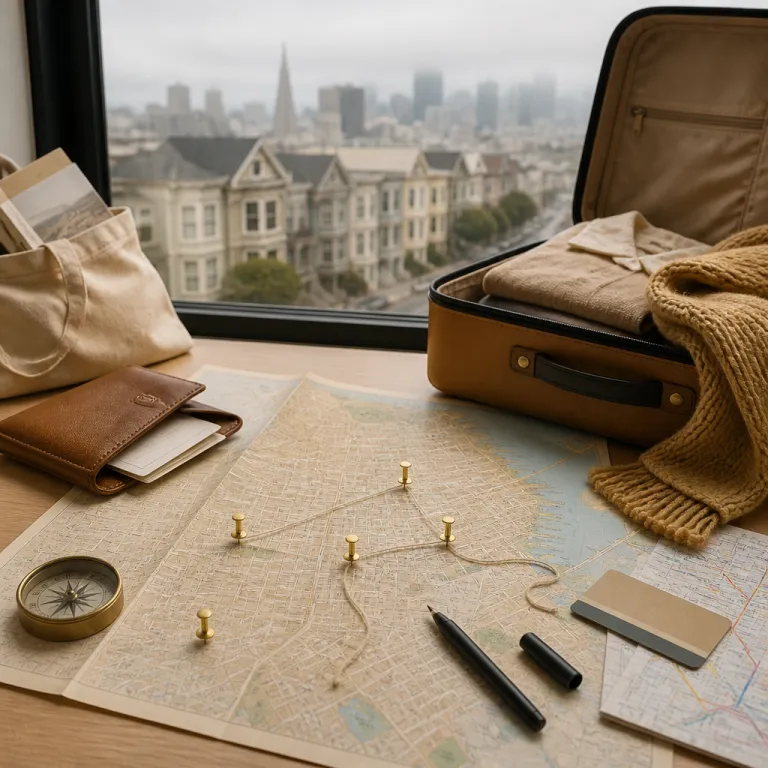
How to choose among the best San Francisco neighborhoods to stay
San Francisco is a compact city, yet every neighborhood feels distinct and self-contained. When you plan where to stay in San Francisco, think first about how you like to move through a city and whether you want easy access to cable cars, buses, historic streetcars, or walkable routes. Your ideal place to stay will balance atmosphere, transport, safety, and budget in a way that matches how you actually travel and how you like to spend your days.
For many visitors, the best San Francisco neighborhoods to stay are those that sit near the historic core, such as Union Square, Nob Hill, the Financial District, and the waterfront around Fisherman’s Wharf, because these areas offer dense clusters of hotels and short travel times to major sights. These central districts make it simple to reach the Golden Gate Bridge viewpoints, Alamo Square, North Beach, and the Marina District without spending long periods in transit. When you stay in these parts of the city, you can often walk between several attractions in a single morning and then rely on cable cars or buses when the famous hills start to feel steep.
Before you book any hotel, list the three experiences you care about most and rank them clearly. Some travelers want a quiet neighborhood street near a park, while others prefer a lively district with nightlife, restaurants that stay open late, and easy access to transit. Thinking in terms of trade-offs for each area will help you compare places to stay more clearly, set realistic expectations, and avoid disappointment when you finally arrive and start exploring.
Union Square and the Financial District: central hubs with easy access
Union Square sits at the heart of San Francisco and works especially well for first time visitors who want a straightforward base. The San Francisco Travel Association’s 2019 annual report, which summarizes visitor volume and hotel performance, regularly highlights Union Square as a recommended starting point for first-time travelers because it combines a central location with extensive visitor services. From this square you can reach the Powell Street cable cars, the Financial District, and the Theatre District within minutes, which makes it one of the most practical San Francisco neighborhoods to stay if you value convenience and direct transit links.
The streets around Union Square are lined with large hotels that range from classic grand properties to contemporary towers, and this concentration means you can often compare several hotels on the same block before deciding where to stay. Typical nightly rates here span from roughly $180–$260 for mid-range hotels to $320 and above for luxury brands in a normal spring or fall week (based on pre-2020 averages reported by San Francisco Travel), with prices that often sit higher on weekends and during major events. The Financial District, just down the hill, feels quieter in the evening but offers some of the best business focused hotels in the city, with easy access to the Embarcadero waterfront and ferries. When you stay in this area, you trade a little evening atmosphere for fast transport links, reliable services, and short journeys of around 10–20 minutes to North Beach, Chinatown, and the Ferry Building marketplace by foot or transit.
There are clear advantages and drawbacks to choosing Union Square or the Financial District as your main place to stay. On the positive side, you are close to multiple cable car lines, BART stations, and major bus routes, which makes it simple to reach the Golden Gate Bridge viewpoints, Alamo Square, or Haight Ashbury during the day, often in 20 to 35 minutes depending on traffic and transfers. On the negative side, this district can feel commercial and busy, with less of the intimate neighborhood character you might find on a residential street in the Marina District or near a smaller park in North Beach, and some blocks show visible homelessness and late-night noise, so consider whether you prefer energy or local charm.
Nob Hill and cable car country: classic San Francisco elegance
Nob Hill rises just above Union Square and offers some of the most iconic city views in San Francisco. The neighborhood is defined by steep streets, historic churches, and landmark hotels that sit beside the cable car tracks, which gives this area a sense of old world drama and cinematic skyline vistas. If you want to stay in a place where the clang of cable cars becomes part of your daily soundtrack, Nob Hill is one of the best San Francisco neighborhoods to stay for classic atmosphere.
Staying on Nob Hill means you are still close to Union Square, the Financial District, and North Beach, but you return each evening to a quieter hilltop district with sweeping views over the bay and the city skyline. Many travelers choose this neighborhood because it balances easy access to central attractions with a more residential feel, especially on the side streets that run away from the main squares and grand hotels. When you stay in this part of the city, you can ride the cable cars down to Fisherman’s Wharf in about 15 minutes in the morning, explore the waterfront, then glide back up the hill at sunset as the lights come on across the districts below.
The main considerations for Nob Hill revolve around its terrain and atmosphere. On the plus side, the area feels safe, polished, and architecturally impressive, with parks and small squares where you can pause between visits or enjoy a quiet coffee. On the minus side, the steep hill can be challenging if you prefer flat walks, and some hotels here sit slightly farther from BART or Muni rail lines than properties around Union Square or in the Marina District, so think about your mobility, luggage, and comfort with walking uphill before you commit.
Fisherman’s Wharf and North Beach: waterfront energy and Italian flavor
Fisherman’s Wharf is one of the most famous waterfront districts in San Francisco and remains a classic choice for visitors. This area is packed with attractions, from Pier 39 and its sea lions to bay cruises that pass under the Golden Gate and the distant Golden Gate Bridge, which makes it a natural choice for families and first time visitors. When you stay in hotels near the wharf, you enjoy easy access to the water, the historic streetcar line, and the Powell Mason cable cars that climb back toward Nob Hill and Union Square.
Just inland from the wharf lies North Beach, the city’s historic Italian neighborhood, where cafés, trattorias, and small hotels line the streets around Washington Square Park. Many travelers consider North Beach one of the best San Francisco neighborhoods to stay if they want a walkable area with character, late night dining, and quick access to both the Financial District and the waterfront. Choosing between Fisherman’s Wharf and North Beach as your main place to stay often comes down to whether you prefer a tourist focused district with big attractions or a neighborhood that feels more like a lived in city quarter with local hangouts.
There are clear differences between these two adjacent areas. Fisherman’s Wharf offers a great selection of hotels, family friendly attractions, and simple transport connections, but the streets can feel crowded and commercial during peak seasons and holiday weekends, and prices for food and souvenirs tend to run higher than in more residential districts. North Beach, by contrast, provides a more local atmosphere, with tree lined streets, smaller parks, and a mix of residents and visitors, yet you may find fewer large hotels and slightly longer journeys of 25–35 minutes to sights such as Haight Ashbury or Alamo Square compared with staying near Union Square or the Marina District.
Marina District, Alamo Square and Haight Ashbury: postcard streets and parks
The Marina District stretches along the northern waterfront and offers some of the most scenic places to stay in San Francisco. This area combines low rise streets, independent shops, and views toward the Golden Gate and the Golden Gate Bridge, which creates a relaxed yet polished atmosphere with a neighborhood feel. Travelers who choose a hotel here often value being close to the water, the wide lawns of Marina Green, and the running and cycling paths that lead toward the Presidio parklands and Crissy Field.
From the Marina District it is relatively simple to reach Alamo Square, famous for the Painted Ladies row of Victorian houses, and Haight Ashbury, the historic counterculture district that now mixes vintage shops with cafés and restaurants. These neighborhoods sit slightly away from the main hotel clusters, yet they remain important areas to stay or at least to consider when you map out your days in the city. If you prefer a quieter place to stay, you might choose a small property near Alamo Square or on a residential street in the western part of the Marina District, then use buses or ride share services to reach Union Square, Nob Hill, or the Financial District when needed.
The trade-offs of staying in these western neighborhoods revolve around atmosphere versus transport. On the positive side, you enjoy great access to parks, open spaces, and local cafés, with fewer crowds than Fisherman’s Wharf or Union Square, and the city feels more like a lived in neighborhood than a tourist zone. On the negative side, you will rely more on buses than on cable cars, and journeys to areas such as North Beach or the Embarcadero can take 30 minutes or more during busy times, so consider how much time you want to spend in transit each day.
SoMa, Mission District and Castro: nightlife, culture and local color
South of Market, usually called SoMa, has transformed into a district of museums, galleries, and nightlife, making it one of the more contemporary San Francisco neighborhoods to stay. Large hotels sit beside converted warehouses, and the area offers easy access to the city’s convention centers and sports venues, which appeals to both business and leisure travelers. If you want a place to stay with quick links to downtown, the Embarcadero, and the Mission District, SoMa deserves a close look as a modern, urban base.
The Mission District itself is a cultural hub known for its murals, Latin American eateries, and lively streets that stay busy late into the evening. Farther west, the Castro stands as an LGBTQ+ center with bars, clubs, and historic cinemas, and both neighborhoods are often recommended to visitors who want to experience San Francisco’s nightlife beyond Union Square or Fisherman’s Wharf. The San Francisco Travel Association’s neighborhood overviews and the City and County of San Francisco’s official neighborhood profiles frequently mention SoMa and the Castro when answering questions such as “Where to experience San Francisco’s nightlife?” which underlines why these districts appear frequently in discussions of the best San Francisco neighborhoods to stay for evening activity and local culture.
When you evaluate these areas as potential places to stay, weigh the benefits and limitations carefully. On the plus side, you gain great access to restaurants, bars, and cultural venues, and you see a side of the city that many day trippers miss, especially on side streets lined with independent businesses and neighborhood cafés. On the minus side, some blocks can feel noisy at night, ride share prices can rise after events, and you may be farther from classic sights such as the Golden Gate Bridge viewpoints, Alamo Square, or the Marina District than if you stayed near Nob Hill, Union Square, or North Beach, so think about whether nightlife, food, or postcard views matter more for this particular trip.
Practical tips for comparing San Francisco areas to stay
When you compare San Francisco neighborhoods to stay, start by mapping your must see sights and grouping them by area. If the Golden Gate Bridge, Alamo Square, and Haight Ashbury sit at the top of your list, then a hotel in the Marina District or near the western parks may reduce your daily travel time. If you care more about shopping, theatres, and classic cable cars, Union Square, Nob Hill, or the Financial District will likely serve you better as a central base.
Think in terms of specific areas to stay rather than just one perfect district, because the city’s compact size means you can often combine two neighborhoods in a single trip. For example, you might spend three nights near Union Square for easy access to cable cars and downtown, then move to a hotel in North Beach or the Marina District to enjoy quieter streets and waterfront walks. This approach lets you experience the different strengths of several districts firsthand, and it can turn a simple stay into a more layered exploration of the city’s character and daily rhythms.
Finally, pay attention to how you will move between your chosen place to stay and the rest of the city each day. Properties near major transit lines, such as the Powell Street cable cars, Market Street trams, or key bus corridors, offer easy access to Fisherman’s Wharf, the Financial District, and residential neighborhoods without relying heavily on taxis. By matching your hotel choice to your transport preferences and daily plans, you will make the most of your time in San Francisco and feel that you chose the best possible neighborhood for your style of travel.
Key figures about San Francisco neighborhoods and visitors
- San Francisco welcomed about 25.8 million visitors in 2019 according to the San Francisco Travel Association annual report for that year, a volume that supports a wide range of hotels across central and residential neighborhoods.
- The city officially recognizes around 36 distinct neighborhoods, based on data from the City and County of San Francisco planning documents and neighborhood profiles, which explains why travelers face so many nuanced choices when deciding where to stay and which areas to prioritize.
- Visitor numbers have encouraged growth in new accommodation and dining options in areas such as SoMa, the Mission District, and the Marina District, helping distribute tourism beyond Union Square and Fisherman’s Wharf.
- Public transport coverage, including buses, historic streetcars, and cable cars, allows many visitors to explore multiple districts in a single day without renting a car, which makes central neighborhoods especially attractive bases.
FAQ: choosing where to stay in San Francisco
Which neighborhood is best for first time visitors to San Francisco?
For a first stay, Union Square is often recommended because it combines a central location, a dense cluster of hotels, and fast access to cable cars, BART, and buses, making it easy to reach Fisherman’s Wharf, North Beach, Nob Hill, and other major districts.
Where should families stay in San Francisco?
Families often prefer Fisherman’s Wharf or nearby North Beach, since these areas offer waterfront attractions, bay cruises, and easy walks to parks and piers, while still providing straightforward transport connections back to Union Square and the Financial District.
Which San Francisco neighborhoods are best for nightlife?
SoMa and the Castro stand out for nightlife, with clubs, bars, and late opening venues, while the Mission District offers a strong mix of restaurants and bars that stay busy into the evening, all reachable by public transport from central hotels.
Is it better to stay near the waterfront or in the city center?
Staying near the waterfront in areas such as Fisherman’s Wharf or the Marina District gives you bay views and easy access to outdoor spaces, whereas choosing Union Square, Nob Hill, or the Financial District places you closer to transit hubs and shopping, so the better option depends on whether scenery or central convenience matters more to you.
Do I need a car to explore different San Francisco neighborhoods?
A car is usually unnecessary for most visitors, because the city’s buses, historic streetcars, and cable cars connect major neighborhoods efficiently, and many of the best San Francisco neighborhoods to stay are compact enough to explore on foot from a well chosen hotel base.
Trusted references
San Francisco Travel Association annual visitor statistics (for example, 2019 annual report, published 2020, which summarizes total visitor volume and hotel performance) ; City and County of San Francisco planning and neighborhood profiles (including official neighborhood descriptions, boundaries, and maps used for land use and community planning) ; Local tourism board visitor guides and official destination brochures that summarize recognized districts, transit options, and visitor services for people choosing where to stay.