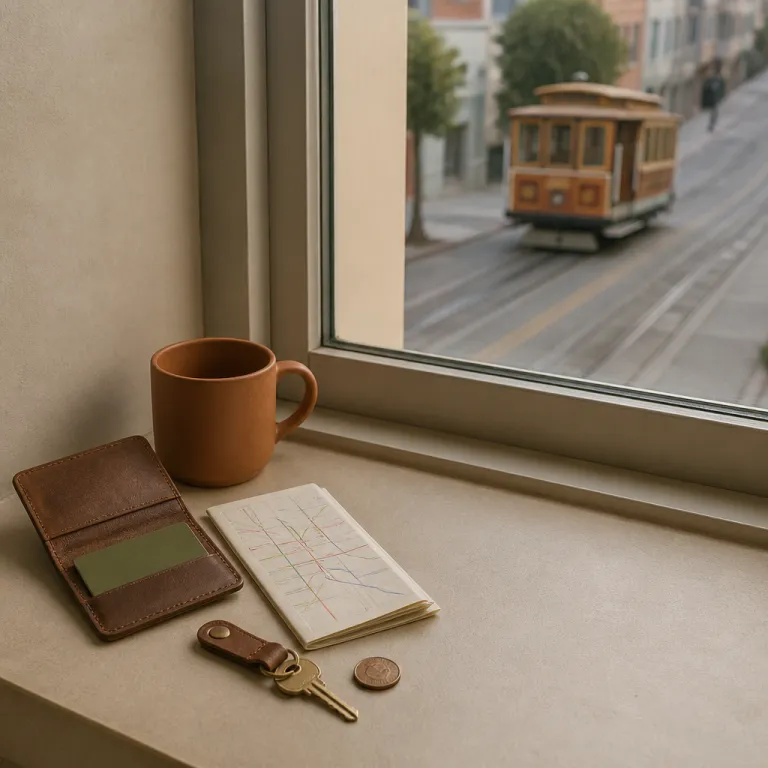
Choosing a hotel location that works with san francisco cable car tickets
Location is the single factor that most shapes your cable car experience. When you plan san francisco cable car tickets around your hotel choice, you turn a simple ride on the historic system into a signature part of each day. For many travellers, staying near the Powell Street turntable or along the cable car lines is worth a small premium because it saves time and adds atmosphere.
Hotels around Union Square place you a short walk from the Powell and Market turnaround, where the Powell‑Hyde and Powell‑Mason cable car routes begin their climb toward the bay. From these stops you can board the historic cars early in the day, before the longest queues form, and use a single ride to reach both sightseeing and dining districts such as North Beach or Chinatown. This is especially practical if you intend to pay for several rides across a long weekend and want to minimise extra transfers.
Guests who prefer a quieter neighbourhood often look at the upper Nob Hill and Russian Hill areas, where some properties sit directly on the Powell‑Hyde line. From these streets you can step out of the lobby, walk a few metres, and board a cable car heading either toward Union Square or down to the Hyde Street terminal at Fisherman’s Wharf. If you are comparing hotels, ask explicitly how many minutes it takes to walk to the nearest stop and whether the route is steep or includes stairs, because the city gradients can surprise first time visitors.
Understanding san francisco cable car tickets, fares, and payment options
Before you arrive in San Francisco, it helps to understand how a cable car ticket works within the wider Muni system. The San Francisco Municipal Transportation Agency (SFMTA) operates the cable cars, the Muni Metro light rail, and the city buses under one fare structure, but cable car fares sit in a premium category with higher prices than standard bus rides. As of 2024, a single ride costs $8 when paid with MuniMobile or a Clipper product, and $9 when you pay cash to the conductor.
You can pay for san francisco cable car tickets in several ways, and your choice should match how often you expect to ride from your hotel. The most flexible option is the Clipper Card, a reloadable smart card that works on cable cars, Muni Metro, buses, and regional trains around the bay. If you prefer to keep everything on your phone, the MuniMobile app lets you buy a ticket or multiple tickets in advance, then activate each single ride just before you board so the countdown period does not start too early.
Paper tickets are still sold at Powell and Market, the Hyde Street terminal at Fisherman’s Wharf, and some other staffed booths, but queues can be long during peak hours and on sunny weekends. Visitors planning intensive sightseeing days often choose a Muni Visitor Passport, which offers unlimited rides on cable cars and other Muni services for a fixed number of days. Seniors benefit from reduced fares at specific times, and the official SFMTA guidance currently states that older riders paying cash receive a discount on early morning and late evening trips.
Designing your sightseeing day around cable car lines
Once your hotel is booked, you can design each day so that cable cars frame your movements across the city. Think of the three cable car lines as moving corridors that link Union Square, Fisherman’s Wharf, Nob Hill, and the waterfront. By aligning your restaurant reservations and museum visits with these routes, you reduce walking on steep streets and turn every transfer into a scenic ride that doubles as a short city tour.
The Powell‑Hyde line is ideal if your hotel sits near Union Square and you want a dramatic descent toward Hyde Street and Fisherman’s Wharf with sweeping bay views. Many guests board at Powell and Market in the morning, ride up over Nob Hill, then step off near the Cable Car Museum on Mason Street for a short cultural stop and a look at the historic machinery. From there you can continue your journey down to the waterfront, walk to the wharf area, and later return to the city centre using the same line in reverse.
The Powell‑Mason line serves a slightly different corridor, ending closer to the traditional fishing harbour and some quieter piers. Travellers who enjoy evening walks often ride this line back toward Union Square after dinner, when the cars are less crowded and the city lights feel almost theatrical. If your hotel is closer to California Street, you can still integrate san francisco cable car tickets by walking to the nearest Powell stop or using Muni Metro for one segment, then transferring to a cable car for the final climb up the hill.
Digital tools, passes, and how to pay smartly from your hotel
For many hotel guests, the most efficient way to manage san francisco cable car tickets is to set everything up digitally before the first ride. The official MuniMobile app allows you to purchase a single ride, a day pass, or a multi day Muni Visitor Passport directly on your phone. You can sit in your room, review your itinerary, and decide how many rides you truly need for the next twenty four hours based on planned outings.
Frequent visitors and business travellers often rely on a Clipper Card or a virtual Clipper Card stored in a mobile wallet. This card integrates cable cars, Muni Metro, buses, and some regional trains, which is helpful if your meetings take you beyond the city centre but you still want a cable car ride back to your hotel in the evening. Because the same card handles multiple modes, you avoid fumbling with cash or separate paper tickets when boarding in a crowded street or at a busy terminal.
Families staying several nights near Union Square or Fisherman’s Wharf usually gain value from a Visitor Passport, especially if each day includes at least two cable car rides plus some Muni trips. You can buy this pass through the MuniMobile app, at select sales points, or at staffed kiosks near Powell and Market and the Hyde Street terminal. To avoid disappointment, confirm with your hotel concierge whether any nearby shops still sell physical passes, as availability can change with SFMTA policy and seasonal demand.
Safety, timing, and etiquette when you board from hotel areas
Riding cable cars safely starts with understanding how and when to board, especially at busy stops near major hotels. Always wait behind the marked lines on the street until the gripman or conductor signals that boarding is allowed. Once on board, hold the rail firmly, particularly if you choose to stand on the running board for a more dramatic ride or to take photographs.
Peak times around Powell and Market, Union Square, and Fisherman’s Wharf often bring long queues, so timing your san francisco cable car tickets matters. Early morning rides before nine and late evening returns after dinner usually mean shorter waits and more space to enjoy the city views. If your hotel offers breakfast, consider eating slightly earlier, then walking to the Powell‑Hyde or Powell‑Mason line before the main tour groups arrive and the lines wrap around the block.
Etiquette on cable cars is straightforward but important for everyone’s comfort. Keep bags close to your body so they do not obstruct the narrow aisle or bump other passengers when the car turns along steep streets. When you reach your stop near the hotel, signal the conductor clearly, step down carefully to the pavement, and move away from the tracks so the following cars can continue their run without delay or sudden braking.
Linking cable car experiences with hotel amenities and neighbourhood character
The most memorable stays in San Francisco weave cable car experiences into the rhythm of the hotel and its surrounding streets. A property near Union Square might pair an early check in with advice on the quietest times to ride from Powell and Market. Another hotel closer to the bay could suggest an evening itinerary that ends with a gentle climb back from Hyde Street under the city lights and the sound of the bell.
Many concierges now treat san francisco cable car tickets as part of a broader mobility conversation, alongside taxis, ride hailing, and Muni Metro. They can explain how to use the MuniMobile app, where to top up a Clipper Card, and which lines best match your planned tour of neighbourhoods such as North Beach or Chinatown. Some properties even keep printed maps that highlight the Powell‑Hyde and Powell‑Mason routes, making it easier to visualise how a single ride can connect multiple attractions without complicated changes.
For guests who value culture, a visit to the Cable Car Museum on Mason Street can be scheduled between check out and an afternoon flight, using cable cars to move luggage only as far as a luggage storage service near the city centre. Business travellers might use an early morning journey from a Financial District hotel to clear their head before meetings, then return by Muni Metro if time is tight. In every case, aligning your hotel choice, your daily schedule, and your san francisco cable car tickets turns a simple mode of transport into a defining part of the stay.
Key figures about san francisco cable car tickets and usage
- Annual cable car ridership reaches about 7.5 million passengers according to an SFMTA report, which underlines how central these cars are to both daily life and tourism in the city.
- The system operates three distinct cable car lines, so hotel guests should check which route runs closest to their street before committing to a reservation.
- A standard single ride cable car ticket currently costs $8 with MuniMobile or Clipper and $9 with cash, which makes unlimited Muni Visitor Passport options attractive for travellers planning several rides per day.
- Digital payment through the MuniMobile app and Clipper Card has grown steadily, reflecting the city’s innovation focus and making it easier for hotel guests to pay without cash or paper tickets.
FAQ about san francisco cable car tickets for hotel guests
How much does a cable car ride cost from central hotel areas ?
The fare is the same across the city, so a cable car ride from Union Square, Powell and Market, or Fisherman’s Wharf currently costs $8 with MuniMobile or Clipper and $9 with cash for a standard single ride. You can pay this fare using cash to the conductor, through the MuniMobile app, or with a loaded Clipper Card. If you expect to ride multiple times per day, a Muni Visitor Passport often reduces your overall cost and simplifies budgeting.
Where can I buy san francisco cable car tickets near my hotel ?
You can purchase san francisco cable car tickets at staffed booths near Powell and Market, the Hyde Street terminal at Fisherman’s Wharf, and some other central locations close to many popular hotels. Alternatively, you can buy tickets in advance through the MuniMobile app or load value onto a Clipper Card at transit vending machines and selected shops. Many concierges will point you to the nearest sales point and explain which cable car lines serve your street and nearby attractions.
Is it better to use MuniMobile or a Clipper Card for my stay ?
The MuniMobile app is ideal if you prefer digital tickets on your phone and want to activate each single ride just before boarding. A Clipper Card works better if you plan to use multiple modes such as cable cars, Muni Metro, and regional trains around the bay during a longer visit. For short hotel stays focused mainly on sightseeing, either option is convenient, but Muni Visitor Passport products on MuniMobile can offer the best value.
Are cable cars included in Muni Visitor Passport passes ?
Yes, the Muni Visitor Passport includes unlimited rides on cable cars, Muni Metro, and city buses for the duration of the pass. This makes it particularly attractive for hotel guests who plan to ride cable cars several times each day while also using other Muni services. You can buy the pass through the MuniMobile app before you arrive or at selected sales locations once you are in the city.
How early should I leave my hotel to avoid long cable car queues ?
To minimise waiting at Powell and Market or near Union Square, aim to board your first cable car before nine in the morning, especially during peak visitor seasons. Evening rides after dinner also tend to be quieter than mid afternoon, when many organised tour groups are on the move. If your schedule is flexible, your hotel concierge can suggest specific times based on recent crowd patterns along each of the three lines.