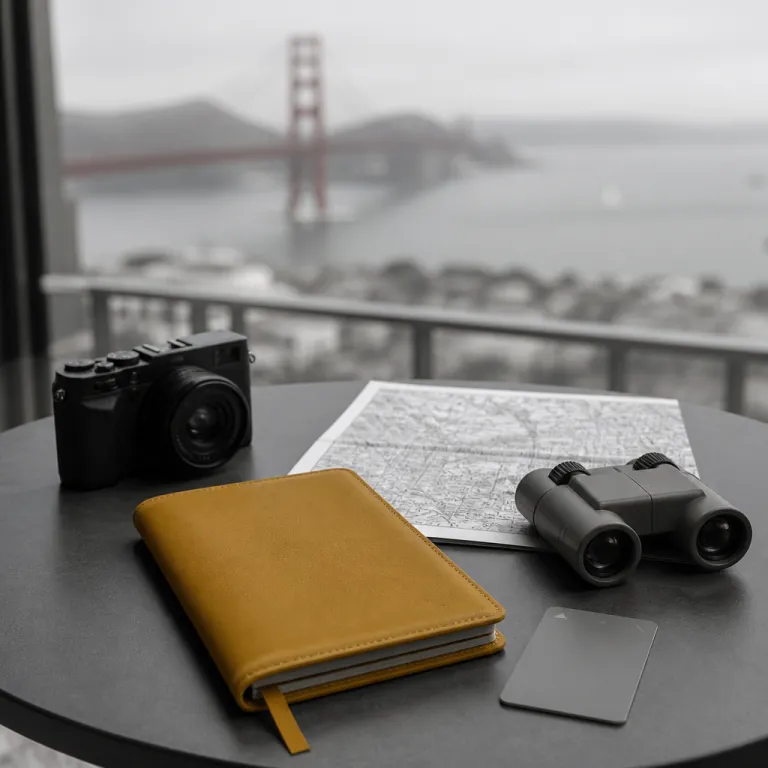
Planning your stay around the best things to do in San Francisco
Choosing a hotel in San Francisco is easier when you anchor your plans around the essential things to do in San Francisco and nearby Bay Area highlights. For a first or second visit, staying near the central city areas such as Union Square, Fisherman’s Wharf, or the Embarcadero places you close to Golden Gate Bridge views, historic streets, and the waterfront scenes that define the San Francisco Bay experience. Think of your hotel not just as a place to sleep, but as a launch pad that lets you walk to key attractions, join curated tour departures, and return easily for a rest in the middle of a busy day.
Most visitors want quick access to the Golden Gate Bridge, the waterfront at Fisherman’s Wharf, and the classic cable cars, so map these priorities against your preferred neighbourhood before you book. If you stay near Union Square you can ride cable cars directly to the bay, then connect to ferries, guided tours, and day trip departures without relying on a car, which is a major advantage in a compact and often congested city. Travellers who prioritise quieter evenings might choose a hotel near Golden Gate Park or in residential North Beach, trading nightlife for calmer streets, leafy parks, and easier access to coastal walks.
When you plan your time, remember that the best day in San Francisco often mixes structured tours with unhurried walks. Morning is usually the ideal time to visit major landmarks such as the Golden Gate or Coit Tower, while afternoons suit leisurely strolls through a park or along the waterfront streets. Use digital maps and mobile tour apps offered by many California operators to explore the city at your own pace, then return to your hotel to warm up or change layers as the San Francisco weather shifts around the bay.
Golden Gate Bridge, fort point, and coastal walks from your hotel
Any serious list of things to do in San Francisco starts with the Golden Gate Bridge and its dramatic setting above the San Francisco Bay. From most central hotels you can reach the Golden Gate area by bus, rideshare, or guided tour, then walk across the bridge for sweeping views of the city skyline, the Bay Area hills, and the open Pacific beyond the gate. Many curated experiences now combine a morning bridge walk with a visit to Fort Point, the brick fortress tucked directly beneath the Golden Gate on the San Francisco side, where waves crash against the sea wall and surfers often ride the break.
Fort Point offers some of the best close up views of the golden structure, and it is free to visit during opening hours, which makes it a smart stop for travellers managing both time and budget. Photographers often prefer the early day light, so consider booking a hotel wake up call and heading out before the crowds arrive, then returning to your room by late morning for a relaxed break. If you prefer guided context, look for a small group tour that links the Golden Gate Bridge, Fort Point, and nearby coastal trails, allowing you to explore the area without worrying about navigation or parking.
From the fort you can follow the waterfront path toward Crissy Field and the Palace of Fine Arts, turning a simple visit into a half day coastal walk. This route passes beaches, lawns, and restored wetlands, giving you varied views of the San Francisco Bay and the city while still keeping you within easy reach of urban transport back to your hotel. Many travellers say this combination of bridge, fort, and shoreline is one of the experiences San Francisco visitors remember most vividly, especially when low fog drifts under the Golden Gate and transforms the scene.
Waterfront highlights: Fisherman’s Wharf, ferry building, and francisco bay cruises
Staying near the waterfront places several of the most popular things to do in San Francisco almost on your doorstep. Hotels around Fisherman’s Wharf give you fast access to seafood restaurants, historic piers, and San Francisco Bay cruise departures, while still keeping you close to the cable car lines that climb back toward Union Square and the central city. This area is busy and tourist focused, but for many travellers the convenience of walking from their room to a morning boat tour or an evening harbour stroll outweighs the crowds.
Fisherman’s Wharf is also a practical base for visiting Alcatraz Island, since most tours depart from nearby piers and often sell out well in advance. Official guidance from the National Park Service is clear on this point: "Is it necessary to book Alcatraz tours in advance? Yes, it's recommended due to high demand" (National Park Service, Alcatraz Island FAQ). Plan at least half a day for the Alcatraz tour, including the ferry ride across the bay, the audio tour through the former prison, and time to enjoy the skyline views back toward San Francisco. After returning, you can walk along the Embarcadero toward the Ferry Building, a historic terminal that now houses artisan food stalls, wine bars, and regional California producers.
The Ferry Building area works beautifully for guests staying in the Financial District or near Union Square, since it is an easy walk or short tram ride from many hotels. From here you can join San Francisco Bay cruises that circle the Golden Gate, pass under the bridge, and loop around Alcatraz, giving you a different perspective on the city and the surrounding Bay Area landscapes. If you prefer to explore independently, time your visit for late afternoon, enjoy a relaxed tasting inside the Ferry Building, then step outside for sunset views over the water before riding cable cars or modern trams back to your hotel.
Iconic streets, hills, and historic transport: cable cars, Lombard Street, and Coit Tower
Many travellers choose their San Francisco hotel based on how easily they can reach the classic hills and streets that appear in every postcard. Union Square is the traditional starting point, since it is a major shopping and theatre district and the lower terminal for several cable car lines that climb toward the bay. Staying within a short walk of these lines lets you ride the historic cable cars early in the day, when queues are shorter and the city feels calmer, then return to your room quickly if the fog rolls in or you need an extra layer.
From the crest of Russian Hill you can walk down Lombard Street, the famously crooked block whose 0.2 mile winding section has become one of the most photographed streets in California. The city reports that this stretch of Lombard Street is carefully managed to balance residents’ needs with visitor interest (San Francisco Public Works, Lombard Street facts), so consider joining a guided walking tour that explains the history while helping you navigate the steep sidewalks safely. Afterward, continue your walk toward Coit Tower on Telegraph Hill, where an elevator ride takes you to an observation deck with panoramic views of the San Francisco Bay, the Golden Gate, and the downtown skyline.
Coit Tower is especially atmospheric in the late afternoon, when the low sun warms the murals inside and the exterior views glow. From here you can explore the North Beach neighbourhood, historically known as the city’s Italian quarter, with its cafés, bakeries, and relaxed streets that invite slow wandering. Many curated experiences now link cable cars, Lombard Street, Coit Tower, and North Beach into a single half day tour, which is ideal if you prefer a structured route that still leaves time to return to your hotel for a rest before dinner.
Parks, culture, and day trips: Golden Gate Park, Palace of Fine Arts, and Muir Woods
For guests who value greenery and culture as much as skyline views, some of the most rewarding things to do in San Francisco revolve around its parks and nearby forests. Golden Gate Park stretches across the western side of the city, and hotels in the Richmond or Sunset districts give you quieter residential streets plus easy access to its gardens, museums, and lakes. Within this vast park you can walk or cycle between the de Young Museum, the California Academy of Sciences, and tranquil spots such as Stow Lake, shaping a full day that balances indoor exhibits with outdoor air.
Closer to the bay, the Palace of Fine Arts offers a different kind of calm, with its classical rotunda, lagoon, and lawns that attract both locals and visitors. This Palace of Fine Arts complex sits between the Marina District and the Presidio, so it works well for travellers staying either near the waterfront or in more residential areas just inland, and it pairs naturally with a walk toward the Golden Gate viewpoints. Many curated tours now combine Golden Gate Park, the Palace of Fine Arts, and Presidio overlooks into a single route, giving you a structured way to explore the area without needing a rental car.
If you are considering a day trip beyond the city, Muir Woods National Monument is the classic choice for seeing coastal redwoods. Most Muir Woods tours depart from central San Francisco, often stopping at the Golden Gate vista points on the way, so staying near Union Square or Fisherman’s Wharf simplifies your pick up arrangements. Expect a half day or full day commitment for Muir Woods, depending on whether your tour includes extra stops in the Bay Area such as Sausalito, and plan your hotel breakfast and return dinner times accordingly.
Practical tips for timing, transport, and curated hotel based experiences
Thoughtful timing can transform your list of things to do in San Francisco from a rushed checklist into a relaxed, memorable stay. Local tourism guidance from San Francisco Travel is consistent: "What is the best time to visit San Francisco? September to November offers pleasant weather and fewer crowds" (San Francisco Travel Association, visitor FAQ). That said, the city’s microclimates mean you should always dress in layers, wear comfortable shoes for every walk, and allow extra time between activities in case fog or traffic slows your movement around the bay.
Public transport and walking remain the most efficient ways to explore San Francisco, especially if your hotel is near a major corridor such as Market Street, Union Square, or the Embarcadero. Historic cable cars, modern trams, and buses connect many of the key areas, from Fisherman’s Wharf and the Ferry Building to Golden Gate Park and the residential hills, which reduces your reliance on taxis or rideshares. Many hotels now partner with local tour companies to offer curated experiences that bundle transport, timed entry tickets, and expert guides, allowing you to focus on the views and stories rather than the logistics.
When you evaluate hotels online, look beyond room photos and consider how each property positions you relative to the city’s main attractions. Ask whether the concierge can arrange small group tours to the Golden Gate, Muir Woods, or the San Francisco Bay cruises, and whether early breakfast options are available on the day you plan a longer day trip. With a little planning, your hotel becomes the quiet centre of a stay that flows smoothly from waterfront streets to hilltop towers, from parks and palaces to the open span of the Golden Gate Bridge.
Key figures to help plan your san francisco itinerary
- The Golden Gate Bridge welcomes around 10 000 000 visitors each year, according to the San Francisco Travel Association (Golden Gate Bridge visitor statistics), which means early morning or late afternoon visits usually offer the calmest experience.
- Chinatown hosts roughly 200 restaurants, based on the San Francisco Chinatown Guide (Chinatown dining overview), giving you extensive dining options if your hotel is within walking distance of this dense area.
- The famously crooked section of Lombard Street is about 0.2 miles long, as reported by San Francisco Public Works (Lombard Street corridor data), so you can comfortably include it in a short walk between Russian Hill viewpoints and North Beach cafés.
- Coit Tower rises approximately 210 feet above Telegraph Hill, according to the San Francisco Recreation and Parks Department (Coit Tower facility details), providing one of the most comprehensive 360 degree views of the city and the San Francisco Bay.
FAQ: planning things to do in San Francisco from your hotel
What is the best time to visit San Francisco for sightseeing?
September to November generally offers the best balance of mild temperatures, clearer skies, and lighter crowds for major sights such as the Golden Gate Bridge, Coit Tower, and the waterfront. Summer can bring heavier fog around the Golden Gate and higher hotel prices, while winter is cooler but often quieter. No matter the season, pack layers because conditions can shift quickly between the bay and the hills.
Are there free things to do in San Francisco near central hotels?
Yes, many of the most appealing activities San Francisco visitors enjoy are free, especially if you like to walk. You can stroll across the Golden Gate Bridge, explore Golden Gate Park, visit Fort Point during opening hours, and enjoy the Palace of Fine Arts lagoon without paying an entry fee. Staying near Union Square or the Embarcadero makes it easy to reach these areas by public transport or a short ride.
How can I get around the city without renting a car?
Public transportation, biking, and walking are popular options for moving between the Bay Area highlights and the central neighbourhoods. Historic cable cars link Union Square with Fisherman’s Wharf, while buses and trams connect the Ferry Building, Golden Gate Park, and residential districts. Many visitors also join guided tours for specific routes such as Muir Woods or combined city and bridge excursions, which removes the need to drive or park.
Is it necessary to book Alcatraz and Muir Woods tours before I arrive?
Alcatraz tours almost always require advance booking, especially in peak travel periods, and many Muir Woods tours also sell out on popular days. If your hotel stay is short, reserve these experiences before you travel so you can plan other activities such as San Francisco Bay cruises or city walks around fixed times. Your hotel concierge can sometimes help with last minute openings, but availability is never guaranteed.
What local foods should I try while exploring the city?
Classic San Francisco flavours include sourdough bread, Dungeness crab from Fisherman’s Wharf, and Mission style burritos from the Mission District. Many curated food tours weave through Chinatown, North Beach, and the Ferry Building, allowing you to sample regional California produce and neighbourhood specialities in a single afternoon. Choosing a hotel near these dining areas makes it easier to enjoy late dinners and still walk or ride a short distance back to your room.
References
San Francisco Travel Association; San Francisco Public Works; San Francisco Recreation and Parks Department; National Park Service; San Francisco Chinatown Guide.